
Types of Flush Doors: Selecting the Right Door for Your Needs
January 21, 2026
Table of Contents
Although you use a door every day, most people only think about their function and purpose when they hear sounds travel between rooms, moisture ruins their surfaces, and private space is violated. When building or renovating a home or office, or designing a room aesthetically, the appropriate type of door will contribute to your comfort, safety and value over time by giving you a way to feel secure and safe while enjoying the flexibility and benefits of each type of door.
By understanding the various types of flush doors available today, homeowners, architects and designers can be sure that their choices are based on how well the doors perform, how durable they will be, and how you will use them rather than just how they look. The right choice will ensure that your investment will remain intact and provide many years of enjoyment.
What This Guide Covers
This guide will explain how flush doors are built, how they perform in various settings, and how to choose the best flush door for different rooms. In addition, you will learn how to balance the strength, moisture resistance, acoustics, maintenance, and aesthetics of flush doors so that they provide long-lasting value and performance.
What Makes Flush Doors Different From Traditional Doors?
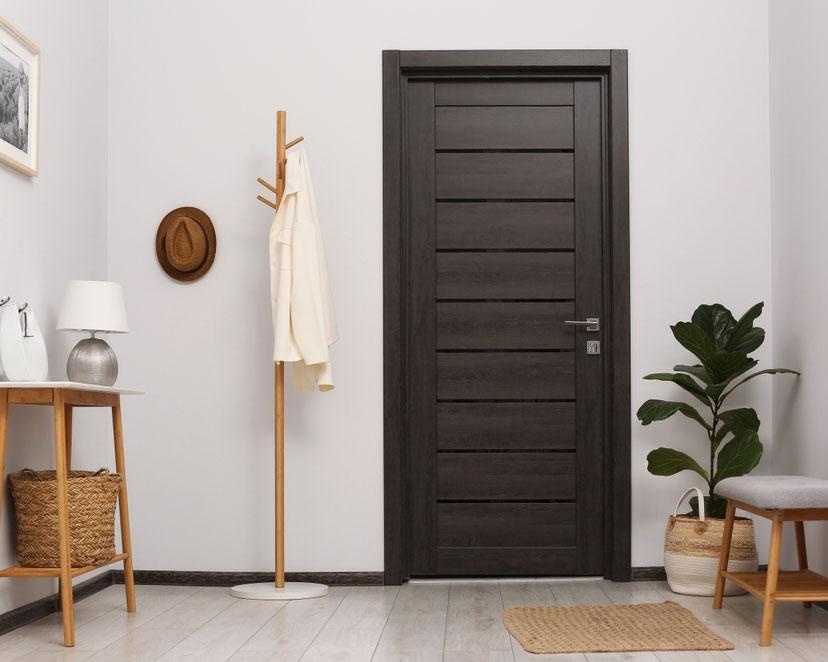
The flush door has no decorative panels, decorative grooves, or mouldings – just straight lines and smooth surfaces. Flush door designs match the clean lines of modern architecture and are ideal for minimalist and space-efficient designs where maintaining visual continuity is important. Flush doors use engineered wood layers to create a flat, smooth surface that is more stable than traditional multi-layer or solid timber panel door designs and are less likely to warp over time compared to the traditional designs. If you would like to know more about how to select the right type of flush door for your building or project, this guide to the different flush door types and advantages provides information on how the different core configurations and surface materials affect the durability and usability of the flush doors you choose.
Why Understanding the Types of Flush Doors Improves Long-Term Performance
Deciding about what type of flush door to buy based solely on the looks can cause various issues. For instance, you may end up with a flush door that does not adequately seal out sound, swells with excess moisture, has surface issues that need repair or replacement, etc. Once you know about the different types of flush doors, you will be able to match the door type to the realistic functional load to be placed on it.
A bedroom is focused on acoustic comfort and privacy. A kitchen or bathroom must be able to withstand humidity and be cleaned repeatedly. A door that leads outside must be stronger, more durable, and more secure than other types of doors. By properly matching the door type to its intended application, you will reduce your maintenance costs and increase user enjoyment and the overall lifecycle of the door.
How Are Flush Doors Constructed, and What Materials Are Used?
Flush doors are made up of three parts: the structure (the inner core), the skin of the door (the outer surfaces), and the protection along the edges of the door. Together these three elements create an excellent combination of load-bearing strength, dimensional stability, thermal insulation properties, and surface durability.
The type of interior material is critical to the overall load-bearing capacity of flush doors due to the relationship between the strength and flexibility of the material and the amount of pressure being applied. A detailed analysis of the overall performance of flush doors types and its advantages is available which offers information on how different types of plywood materials impact door life and structure reliability:
Core Construction Explained
The type of core that is used on a door has a significant effect on both its acoustic properties and how the door will behave structurally.
Hollow Core Construction
Hollow cores are constructed with a lightweight honeycomb material and are typically used in interior door applications for lower traffic areas, such as storage areas and secondary partition applications. Hollow cores are easily handled; however, they do not provide much in terms of sound insulation or durability (impact resistance).
Solid Core Construction
Solid cores consist of dense engineered wood or composite blocks and provide superior strength, superior acoustic insulation, and enhanced resistance to daily wear and tear. As such, solid cores are best suited for use in bedrooms, offices and high-use zones.
Cellular Core Construction
Cellular cores are a balanced design using batten or structured infill materials that optimises the strength of the core while providing a balance of overall weight. Cellular cores are typically chosen for situations where some level of moderate strength and efficient installation are desired.
Surface Finishes Defined
Surface skins influence the appearance and appeal of the finished door, as well as the ease of cleaning, scratch resistance, and moisture resistance.
Laminate Finishes
Laminate finishes are the best choice for door finishes due to their durability from frequent cleaning and exposure to humidity.
Veneer Finishes
Veneers provide doors with a natural wood look and feel and have a premium visual appearance.
Painted Surfaces
Painted surfaces provide options for custom colour matching and economical refurbishment of surfaces over time.
Specialised Coatings
Specialised coatings are applied to doors that need to offer chemical resistance or waterproofing properties to meet fire protection or waterproofing applications.
What Are the Main Categories Available Today?
Flush doors are classified according to their core structure and surface finish; therefore, the types of flush doors available in the marketplace today include hollow core, solid core, laminate, veneer, fire-rated and composite waterproof.
By knowing these distinctions, designers and homeowners can specify a flush door that meets their performance needs and sets parameters for installation budget and lifetime costs of maintenance.
How Do Different Types of Flush Doors Perform in Real Spaces?
Bedroom and Home Office
The three most important needs for a bedroom and home office are sound control, privacy, and temperature stability. Solid core doors both decrease the transfer of sound between rooms and help the user stay focused in their workspace. They also absorb vibration and impact from daily use and overtime.
Kitchen and Bathroom
The stress that kitchens and baths experience because of high humidity, steam, splashes, and everyday cleaning all enhance the bonding layer of the door surface. Therefore, laminated and moisture-resistant constructed doors will help preserve the overall look of laminated and moisture-resistant doors under these conditions.
Living Room and Open Area
The most important concerns for these spaces are to maintain a consistent visual appearance, protect the surface with durability, and ease of upkeep or maintenance. The addition of veneer to the door will add warmth and character, while the laminate provides a modern and clean minimalist style with very little maintenance required.
Entry Doors and Commercial Spaces
The main factors to consider when selecting an entry door and commercial environment are security, structural integrity, and compliance with all applicable building codes. The best choices for entry doors and commercial work areas will be solid-core or fire-rated styles, due to their ability to effectively resist impact and provide controlled fire hazards.
Comparison: Performance, Durability, and Applications
| Flush Door Type | Best Application | Durability | Moisture Resistance | Sound Control | Maintenance |
|---|---|---|---|---|---|
| Hollow Core | Storage, closets | Moderate | Low | Low | Very easy |
| Solid Core | Bedrooms, offices | High | Moderate | High | Easy |
| Laminated | Kitchens, rentals | High | High | Moderate | Very easy |
| Veneered | Living areas | Moderate | Moderate | Moderate | Moderate |
| Fire-Rated | Commercial zones | Very high | Moderate | High | Regulated |
| Waterproof | Wet zones | Very high | Very high | Moderate | Minimal |
How Should Homeowners and Professionals Select the Right Door?
A systematic assessment helps make informed choices:
-
Identify the function of the room and the expected levels of daily use.
-
Determine how much open space will be available and how much clearance swings will require.
-
Determine how much exposure to climate elements (air, moisture) will be present.
-
Choose surface finishes that correspond to a user’s cleaning habits and tolerance of wear and tear over time.
-
Verify that the hinge and lock systems being installed can support their intended purposes.
-
Compare the initial investment against potential maintenance and replacement expenses in the future through proper lifecycle analysis.
Professionals often shortlist the types of flush doors based on architectural specifications and long-term building performance goals.
Installation, Hardware, and Maintenance Best Practices
The lifespan of a door depends on how well it is installed. An installed door must have the frame square and level, fitment of hinges to match the weight rating of the door, and perimeter seals to keep moisture from coming into the home. Regular inspection of the hinges, locks, and surface condition of a door helps to maintain the smooth operation and consistency of its appearance.
Local Considerations When Buying Flush Doors in India
India has a wide range of climates, and each location needs to select building materials carefully. Coastal areas should use building materials that will withstand increased moisture, while urban high-rise developments should place more emphasis on fire compliance and sound-resistant materials. Checking the specifications for certification, thickness options, and finish availability of the flush door product line will allow buyers to choose a product that meets their functional requirements while meeting the construction standards of compliance.
Conclusion
By selecting the correct flush door type beforehand, you will be able to avoid future expenses for repairs and avoid any performance problems. Talk to a knowledgeable supplier or designer who can help evaluate site conditions, their intensity of use, and the regulatory requirements that would allow you to have a long-term reliable flush door.
Frequently Asked Questions
How many flush door options are commonly available for residential use?
The most common options on the market today for flush doors of residential homes include hollow core, solid core, laminated, and veneer. Residential door selection is based on privacy needs, budget, and climate conditions.
Which door type works best for humid environments?
Laminated flush doors and moisture-resistant flush doors perform better than other door types for bathrooms, kitchens, and coastal regions.
Are flush doors suitable for main entrance doors?
The majority of flush door manufacturers offer solid core and reinforced flush door options, but be sure to check the weight limit when purchasing an entry application to ensure it is strong and stable enough for the intended purpose.
How do different types of flush doors affect sound insulation?
When selecting doors based on sound insulation performance, solid and cellular core flush doors transmit significantly less sound than hollow core doors.
Does door selection influence long-term maintenance cost?
Using a high-quality core and stable finish will reduce the long-term cost of maintaining and repainting your door(s). No matter what type or style of flush door you choose, take the time to install and maintain it properly so that you are satisfied with your selection in the long run.