How to Identify Genuine Gurjan Plywood: 7 Easy Checks
August 25, 2026
Table of Contents
One can identify genuine Gurjan plywood by examining its reddish-brown colouration, fine grains, solid weight, deep sound, and consistent core layers. One of the important tests to undergo is whether the board has Gurjan face or Gurjan core. Furthermore, the buyer needs to check the corresponding IS mark, the characteristics of the product, and the manufacturer.
Gurjan plywood is costly because Gurjan is a hardwood appreciated for its ability to endure stress, dimensional stability, reliability, and ability to hold screws. However, the higher cost leads to misleading promotions, and some plywood is sold as Gurjan plywood when in fact only the face veneer is Gurjan while the core may be made from eucalyptus or some mixed wood.
When one understands how to identify Gurjan plywood, it makes the purchasing decision easier. Luckily, the tests that need no particular items or tools can take place at a dealer’s premises. Such parameters as colour, grain, weight, sound, edge construction, certification, and one important question about the core might give valuable hints about genuine Gurjan plywood.
What Makes Gurjan Plywood Different?
Gurjan refers to wood from the Dipterocarpus genus and is valued for its density, hardiness, durability, ability to keep screws in place, and stability. It usually costs more than plywood from eucalyptus or mixed wood because of the difference in raw material procurement and manufacturing process.
The comparison of Gurjan plywood vs hardwood plywood is important. While hardwood plywood is a generic name that includes various kinds of wood, Gurjan is a specific kind. Therefore, buyers should check the actual construction before concluding it is the product called Gurjan.
7 Checks to Identify Genuine Gurjan Plywood
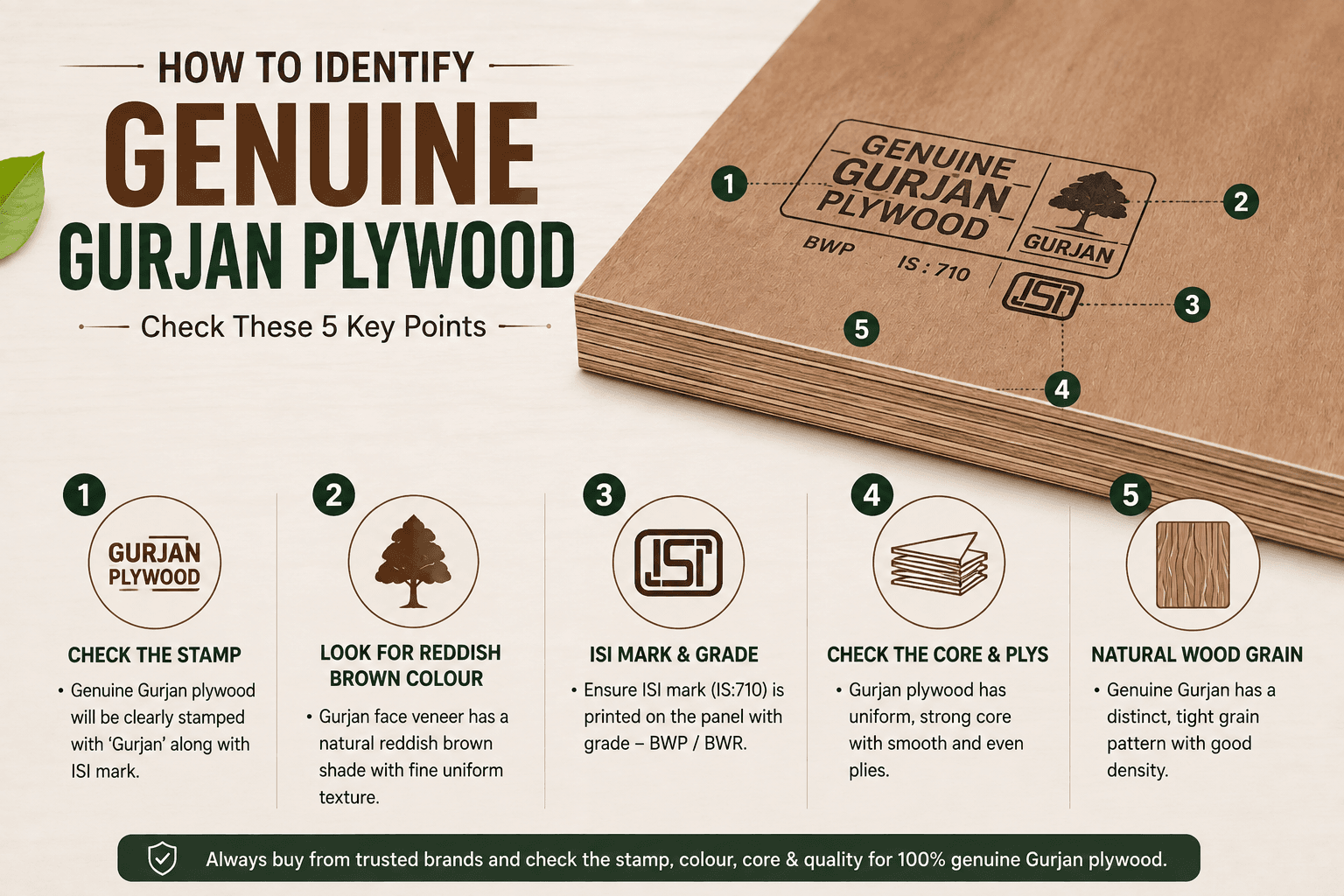
1. Check the Colour and Tone
Gurjan typically appears in reddish-brown to brown colour with some uniformity in tone. Any sign of light, yellowish, or very patchy colour can be observed.
The colour of the wood does not determine the wood itself, as the colour of natural wood differs greatly, so it can be put to preliminary use for identifying Gurjan plywood and not for decision-making.
2. Examine the Grain Pattern
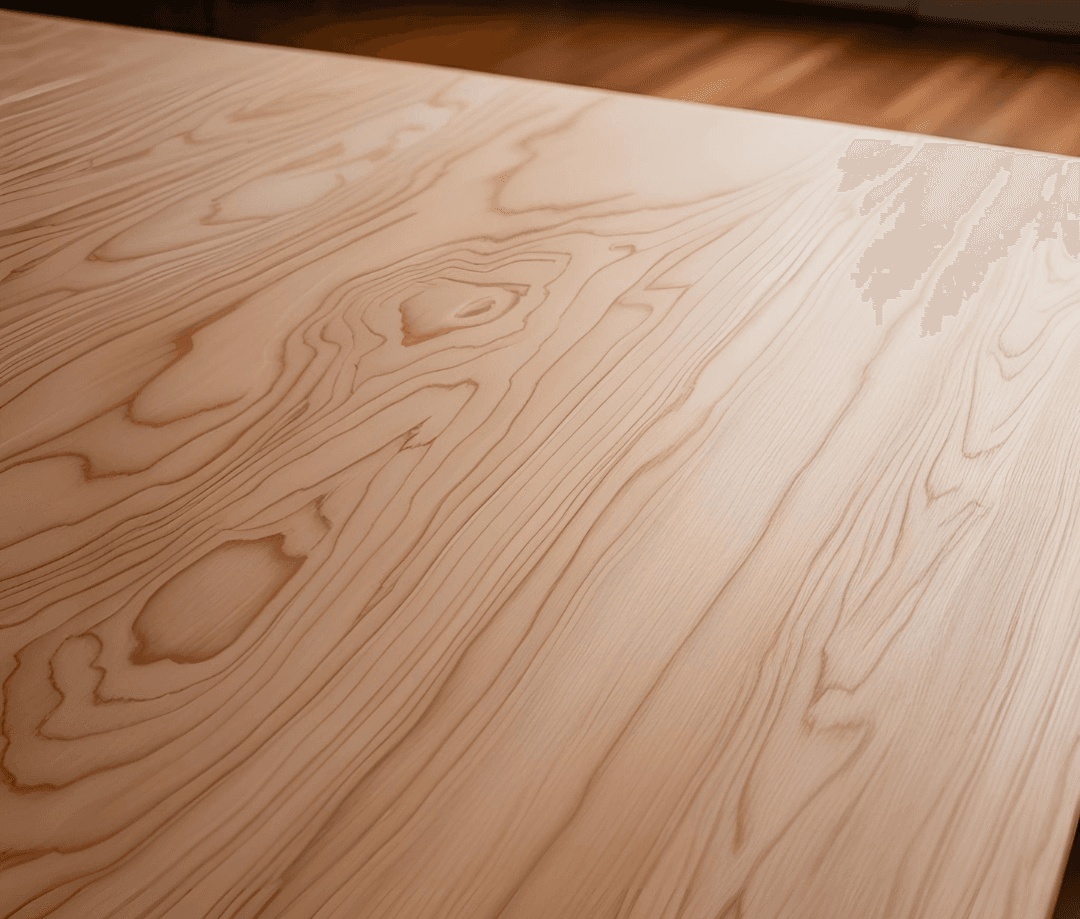
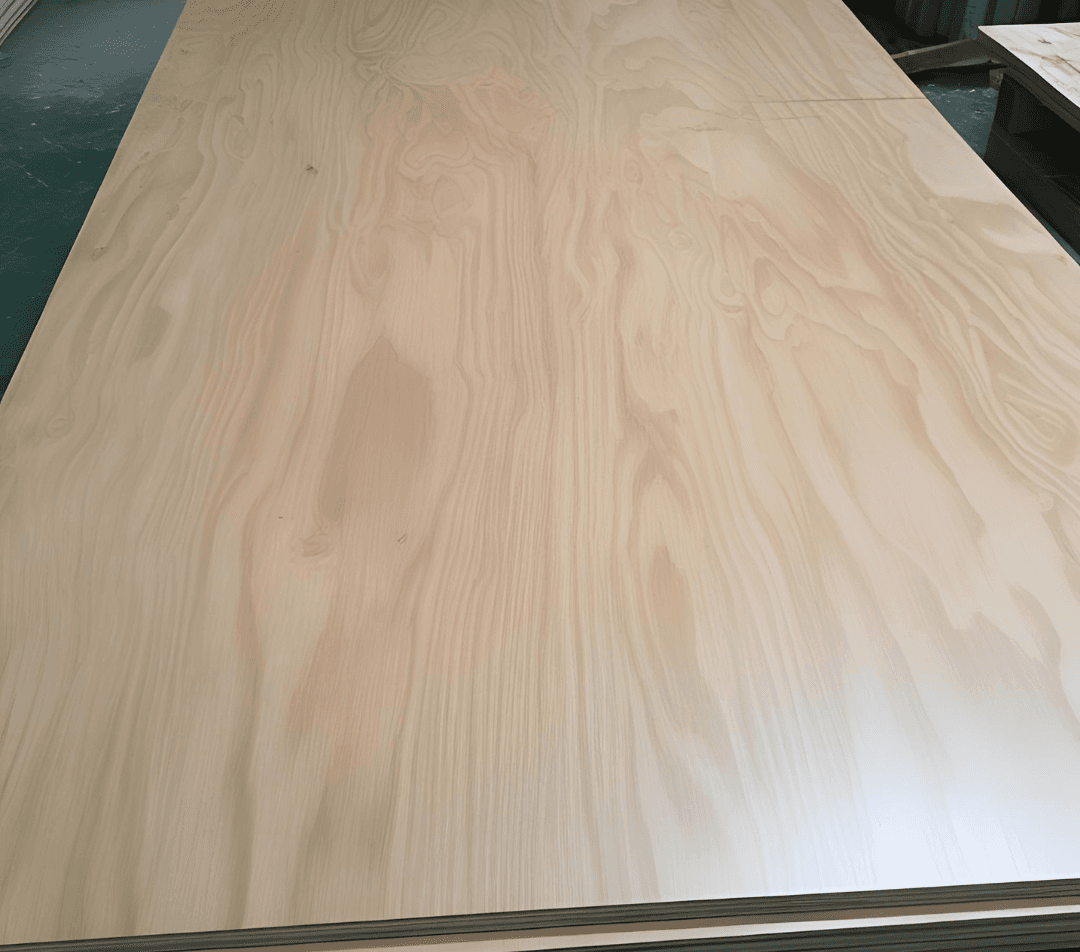
Gurjan has a straight, fine grain structure. The surface layer should have a natural grain pattern as well.
Nonetheless, the grain pattern on the surface may be different from that of the core. It is pertinent to analyse the quality of genuine Gurjan plywood successfully.
3. Conduct the Weight Test
Being a dense hardwood, genuine Gurjan plywood is heavier than average plywood. Therefore, one must compare it with another sheet of plywood of the same size.
If the sheet seems too light, then it is advisable to investigate the possibility of an inappropriate core. It should be noted that moisture, glue, veneer thickness, and construction also influence the weight. This provides another useful point when considering how to identify Gurjan plywood.
4. Conduct the Sound Test
Tap the plywood with one’s knuckles. In the case of a quality sheet, one should hear a resounding sound. The tapping method assists in identifying construction problems, but does not provide satisfactory proof of the type of wood used.
This simple test can support the process of how to identify Gurjan plywood without requiring specialised equipment.
5. Inspect the Edge and Core
The edge could provide more information on plywood construction than its surface. Ask the seller to show you the sheet’s edge or cut its cross-section if possible.
Make sure that the layers are properly uniform, the core is properly constructed, and the gaps/voids are kept to a minimum. If the surface looks like Gurjan but the inner layers look different, then you should ask for an explanation on that point. This is especially useful in the case of comparing Gurjan plywood vs hardwood plywood.
6. Verify the IS Mark and Certification
Make sure to check the applicable ISI/BIS mark and product certification. The IS mark should ensure that the product complies with the relevant plywood standard, but it does not mean that it is made of Gurjan timber in all the layers.
Ask the seller or manufacturer to provide product specifications and necessary documentation. In the case of bigger purchases, it could be useful to double-check the manufacturer’s certification information. Certification is not the sole method in relation to how to identify Gurjan plywood.
7. Ask: “Is This Gurjan Face or Gurjan Core?”
That is one of the most essential questions to be asked prior to purchasing.
Gurjan face plywood is made of Gurjan on the surface, while other wood types can be found inside the plywood.
Gurjan core plywood indicates that Gurjan wood is used in the plywood core.
Further, make sure that the invoice or quotation shows whether the main item is “Gurjan face” or “Gurjan core”. If there is one principle to take away relating to how to identify Gurjan plywood, it should be this. This question is particularly important when purchasing genuine Gurjan plywood.
Bonus Check: Use Price as a Sanity Check
Price may not determine if a type of plywood is truly “genuine,” but it will indicate an inconsistency. If you see a Gurjan being offered at a price that closely resembles that of BWR, eucalyptus-core, or mixed-core plywood, question why this is so.
Also, it is good to compare two or three quotations, because prices for the same thickness, size, core design and specifications can vary significantly depending on the brand.
When comparing Gurjan plywood vs hardwood plywood, actual specifications, rather than names or prices, shall be considered. This can help buyers make a more informed assessment of genuine Gurjan plywood.
Gurjan Plywood vs Hardwood Plywood: Is Gurjan Always Worth It?
Gurjan may not always be needed. Eucalyptus and other hardwood plywoods may work well for some applications like wardrobes, cabinets, furniture, and dry indoor use and may be less expensive.
Real genuine Gurjan plywood can be much more advantageous in cases where greater strength, durability, screw-holdability, or tough conditions matter. Hence, this choice should be analysed according to the purpose of use, degree of exposure and design specifications, budget, and expected life of the product.
What to Do If You Suspect You Were Sold Fake Gurjan
If the plywood you got does not match what was promised, keep the invoice, quotation, photographs, marks, and packaging.
- Make the supplier provide the invoice stating whether it is Gurjan face or Gurjan core. Ask for product specifications and obtain information about its certifications.
- Verify the delivered product against the quotation.
- Get in touch with the manufacturer or the authorised dealer.
- Use the appropriate consumer complaint channels designated by the BIS for serious problems.
Requesting a proper description of the required product may seem difficult, if not impossible, but it is still easier than dealing with a dispute after the product is installed. These steps can also help buyers protect their purchase of genuine Gurjan plywood.
What to Look for Before Buying Gurjan Plywood?
Make sure that you compare the plywood’s thickness, size, core parameters, Gurjan plywood types, certification, warranty, and potential usage. Do not choose a type of plywood just because it looks nice or is priced accordingly.
To have the best plywood choice, you can check brand details, like Royale Touche Plywood, for comparison regarding the types of Gurjan plywood being produced. Whenever a proper description is mentioned in your quotation or invoice, it provides relevant clarification regarding Gurjan face and Gurjan core plywood. This can make it easier to assess genuine Gurjan plywood.
Conclusion
Once you learn how to identify Gurjan plywood, you will never again overpay for Gurjan plywood that does not correspond to what it is declared. What you need to do is check the colour, grain structure, density, sound, edges, core structure, certification, and whether it is Gurjan face or Gurjan core wood.
While comparing Gurjan plywood vs hardwood plywood, you should always take into account how it is used, its production quality, performance characteristics, and your budget. Be careful about relying on the appearance, weight, certification, or price alone.
Frequently Asked Questions
How Can I Know If Plywood Is Genuine Gurjan Without Cutting It?
Make sure you check the colour, weight, density, markings, and documentation. All those checks give clues regarding the type of wood, but do not confirm that only Gurjan was used for making the core wood. Checking information given by a manufacturer remains the most reliable method of establishing whether you deal with the original Gurjan face plywood or Gurjan core plywood.
What Is the Difference Between Gurjan Face and Gurjan Core Plywood?
The first term means that Gurjan wood is used for the outer veneer of plywood, while its core is made of other wood species. The term Gurjan core plywood means that Gurjan is used for making up its core block, according to the statements of the manufacturer. Always verify which type of plywood you buy.
Does Heavier Plywood Automatically Indicate That It Is Gurjan?
No. Weight is determined by the density of wood used, moisture content, glue, thickness of the veneer, and method of production of the plywood. Just because the sheet is heavier does not mean it is genuine Gurjan plywood. It is always necessary to combine weight verification with checking its edges and looking at its documentation.
Is the IS Mark Evidence of Gurjan Plywood?
No. The IS mark merely indicates compliance with the standard; it does not guarantee that the plywood is made from Gurjan timber. It is necessary to check separately whether the plywood is genuine.
Is Gurjan Plywood Better Than Eucalyptus Plywood?
Not in all cases. It all depends on its production quality and application. Gurjan plywood may fully justify its price in case of demanding production requirements.
Why Is Genuine Gurjan Plywood So Expensive?
You are paying for its timber, availability, methods of production, quality control, testing, and distribution, so you need to make further checks regarding the core block to ensure that you get what you pay for. This is particularly important when selecting genuine Gurjan plywood.

Related Blogs