Plywood Edge Banding: Advantages, Types, and Application Process
August 31, 2026
Table of Contents
Plywood edge banding refers to the covering of the exposed edges of plywood with a strip of PVC, wood veneer, or wood, which works to protect the inner portion of the wood from damage, chips, and moisture while providing a finished appearance. It works by applying adhesive through heat or by using a professional hot-melt machine.
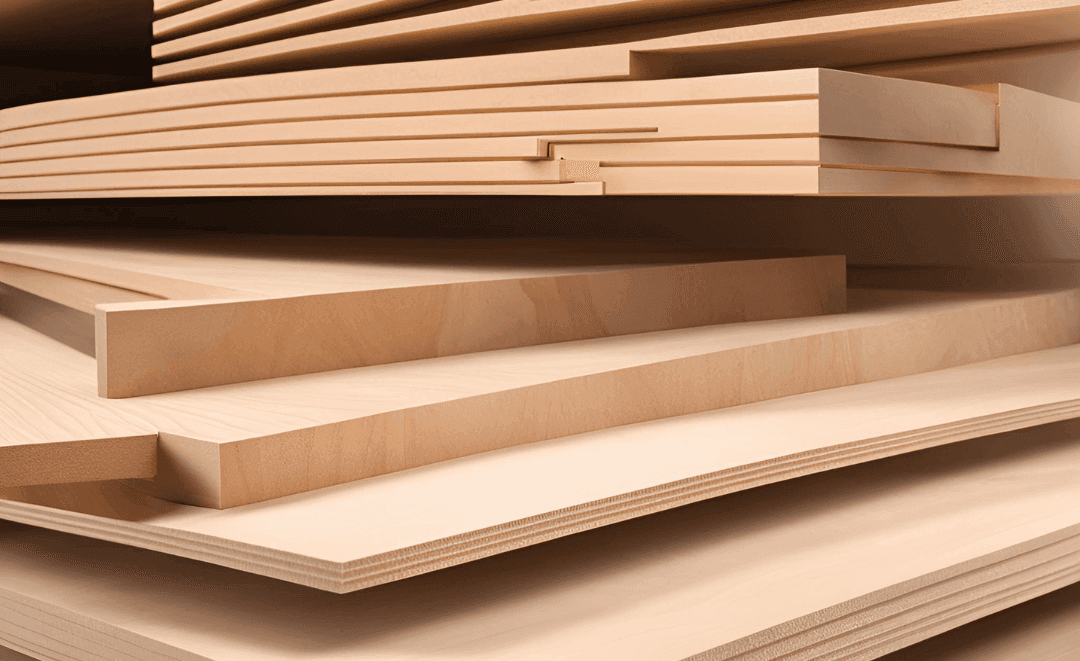
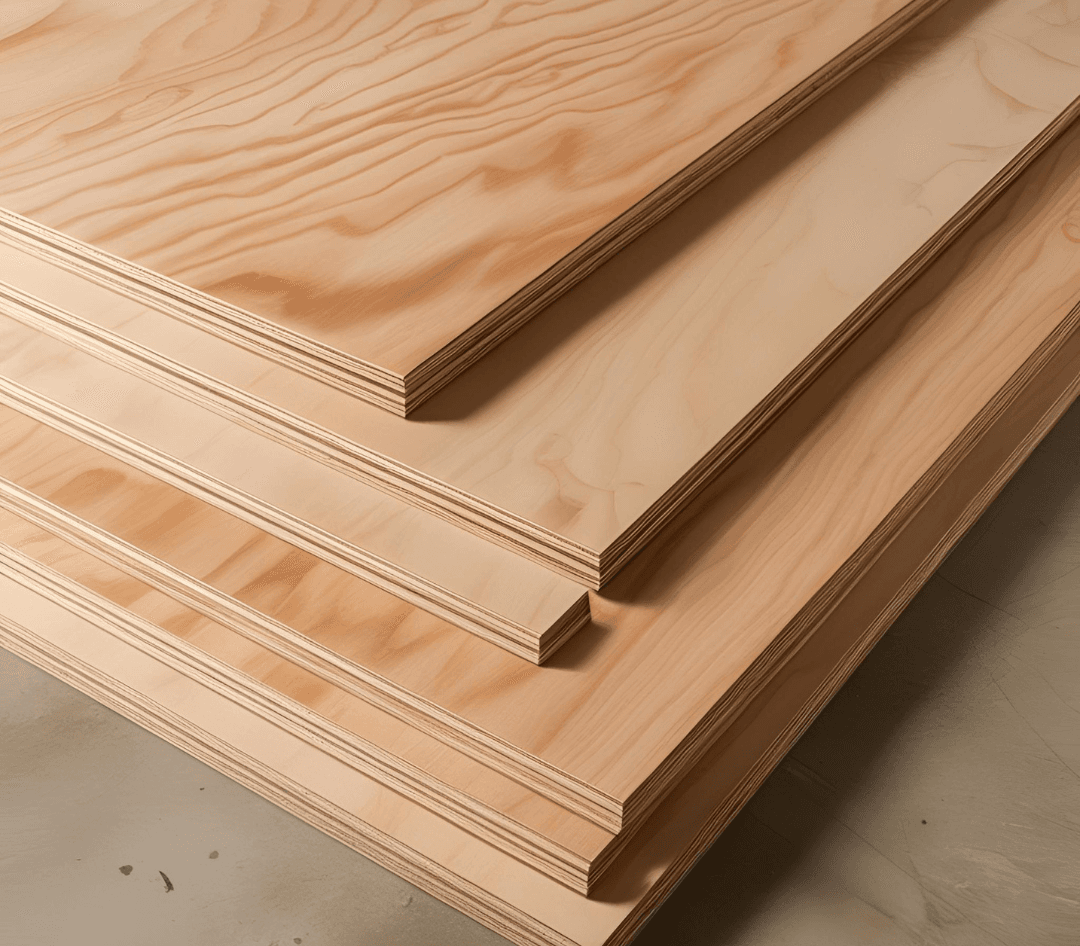
The exposed edge of plywood is constructed from many layers of veneer. In some cases, it can look good when the edge area of the plywood is covered; however, it cannot be ignored that raw edges are always rough and have a high chance of being damaged. This is where plywood edge covering plays its part well and successfully solves these issues.
It can be used for various DIY projects as well as commercially produced furniture. The selection of the type of material for the process depends on how much moisture the wood is likely to be exposed to, as well as on the appearance and durability of the wood. The article lists all the possible advantages of the process of plywood edge covering, explains the process itself, and mentions possible problems, together with tips on how to solve them.
What Is Plywood Edge Banding?
Plywood edge banding implies putting a narrow strip of some kind of material on the exposed edge of plywood, which helps protect its inside from external influences. The most common options for this process are PVC, plastic, or wood veneer.
It can be performed in several ways. The banding can be pre-glued or heat-activated, and accordingly, it can be applied with an iron. The given method can also be applied for DIY projects. Generally, professional manufacturing makes use of edge banding equipment that uses hot-melt glue to apply adhesive while the panels pass through the machine.
Benefits of Plywood Edge Banding
Moisture and Water Resistance
The main aim of edge banding plywood is to cover the visible layered core. Proper application will help decrease the degree of exposure of the plywood edges to moisture, thus helping to minimise swelling or delamination.
Durability Against Damage and Impact
Among the most vulnerable areas of plywood, the edges are the most fragile. Plywood edge banding plays the role of a protective layer that increases resistance to damage caused by everyday handling and use of plywood.
Finished and Professional Appearance
Usually, visible ply lines are not considered attractive. The banding hides the exposed layers and gives a better look to the plywood. It can be of the same colour as the front side of the panel or have a different colour for achieving a particular design.
Cost-Effective Alternative to Solid Wood Edging
For many furniture applications, edge banding can achieve the look of solid wood edging without the need for additional material and the labour costs involved in attaching heavier solid wood edging.
Types of Edge Banding: PVC vs. Veneer vs. Solid Wood
| Type | Look | Moisture Resistance | Durability | Best For | Relative Cost |
|---|---|---|---|---|---|
| PVC / Plastic | Uniform coloured or wood-like finish | High | High | Cabinets, kitchens, high-utilisation furniture | Low–Medium |
| Wood Veneer | Natural-looking wood grain, paintable/stainable | Moderate | Moderate | Furniture with wood veneer surfaces | Medium |
| Solid Wood | Authentic design, decorative profiles available | High with proper finish | Highest | Premium furniture, tabletops, heavy-use edges | Highest |
PVC is generally suitable when moisture tolerance or low maintenance is required. Veneer is good to use when matching a natural wood surface is essential, whereas solid wood edging is preferred in premium types of furniture requiring a thicker edge.
How to Apply Edge Banding: Step-by-Step
Track A: DIY Method with Iron
The process of plywood edge banding starts with the preparation of the wood edge. The wood edge has to be sanded until it becomes smooth, debris and dust must be cleaned, and the edge must be flat and square. The material must be cut longer and wider than the edge for optimal trimming.
The banding is placed on the edge before an iron is used for activation with medium to low heat. Avoid holding the iron in the same position, as it is better to move it uniformly. After the adhesive melts, a roller must be used for a consistent bond and for removing air pockets. After the glue has cooled down, use a flush-trim bit or utility knife to remove the excess material. In the end, slightly sand the edge for a smooth finish.
Track B: Professional Edge banding Method
Commercial production relies on a machine-fed hot-melt adhesive system that applies glue to the material, allows the banding material to pass through the machine, and presses the banding in order to bond it with the material.
This method requires strict control over the feed rate of the glue, temperature of the glue, and pressure being exerted. Poor adherence to these settings can lead to bonding problems.
Common Edge Banding Problems and Solutions
| Problem | Possible Cause | Solution |
|---|---|---|
| Peeling at corners | Low heat or pressure, dirty edge | Heat the edge again, clean it, and reapply with pressure |
| Glue lines showing | Improper trimming or wrong banding thickness | Trim correctly and ensure banding thickness matches the panel |
| Cutting chips | Dull knives or wrong wood orientation | Use sharp knives and cut in the direction of the wood grain |
| Core void visible | No filling or squaring of edge | Fill the void and sand the edge flat before application |
| Bubbles under the tape | Uneven temperature or trapped air | Heat again and press it with a rolling pin |
Preparation is rarely mentioned in the context of the plywood edge banding process, but the edges need to be prepared correctly in advance to ensure that the banding sticks well to the surface.
When You Don't Need Edge Banding
Not all plywood edges require plywood edge banding. This method does not apply to edges traditionally hidden behind cabinet face frames or inside cabinets, as mentioned earlier. It is of no use either in cases where there are no aesthetic advantages to the method, as in the case of garage shelving and workshops we have discussed. In some cases, paint or proper sealant could be enough protection, and a separate physical band would not be necessary.
Conclusion
Plywood edge banding keeps the edges protected while helping to improve the appearance of wood panels. PVC banding is a good solution for areas with high humidity and frequent use; veneer is necessary when a natural wood look is preferred; and solid wood gives a more premium effect.
Frequently Asked Questions
Is It Necessary to Use Edge Banding on Plywood?
There is no need to use it every time; instead, it is efficient in situations where there is a need to protect and make the exposed edges presentable or resistant to moisture. If edges will not be exposed to the elements, they probably do not need edge banding.
Can Edge Banding Be Applied Without Any Special Tools?
It is possible, as the glue will be pre-applied and can be heated by an iron, making it easy to apply using just an iron, trimming tool, and a roller.
What Are the Differences Between PVC and Veneer Edge Banding?
PVC is moisture-resistant and very durable; on the other hand, veneer has a natural wood look and can usually be stained to match the plywood.
How Do You Secure Edge Banding That Is Peeling?
In case heat-activated glue is used, the affected section should be heated, cleaned, and secured with a roller.
Is Solid Wood Edging Better Than Tape Banding?
Solid wood banding is thicker and more resistant to breaks. It works well for expensive furniture, while tape banding is easier to attach, lighter, and cheaper.
Is It Possible to Stain or Paint Edge Banding?
In the case of veneer and solid wood, it is possible as long as the material is prepared properly, while PVC needs a specific coating system.

Related Blogs