How to Fix a Hole in Plywood: A Step-by-Step Repair Guide

July 23, 2026
Table of Contents
You can usually fix small holes and cracks in plywood by using wood filler, sanding and then refinishing. Larger holes should be patched with a piece of plywood before filling to regain strength. With the right repair procedure and finishing process, damaged plywood can be made to look smooth and neat again without replacing the entire panel.
Plywood, due to its strength and versatility, is widely used in making furniture, cabinets, wardrobes, doors, wall panels and modular kitchens. However, holes, dents and cracks can be caused by everyday use, accidental impacts, loose screws, moisture or aging. These defects may affect the appearance of the furniture, but most of them can be repaired successfully, if you know how.
Learning how to fix a hole in plywood will not only improve the look of furniture but will also help in increasing its lifespan. Similarly, knowing how to fill a hole in plywood and how to fill cracks in plywood ensures that minor damage does not cause greater structural damage.
Why Do Holes and Cracks Appear in Plywood?
Before commencing any repair, it is important to establish the cause of the damage. This way you will be able to pick up the right repair method and avoid similar problems in the future.
Typical causes include:
- Loose or missing screws and nails.
- Forceful impacts with furniture or objects.
- Moisture intrusion into damaged areas.
- Shift of furniture during moving.
- Normal wear and tear and ageing.
- Incorrect installation.
If the damage is only to the surface, it is usually more practical to repair the damage than to replace the whole plywood panel.
Tools and Materials You'll Need
Having the right materials prepared before you begin makes it easier to repair something.
You'll generally need:
- Wood putty or wood filler
- Epoxy filler for bigger holes
- Putty knife
- Sand paper
- Wood glue (or glue)
- Clean towel
- Wood sealer or primer
- Paint, polish, veneer or laminate for finishing
Using quality repair materials will help you achieve a smoother, longer-lasting finish.
How to Fix a Hole in Plywood: Step-by-Step Guide
Fixing a damaged plywood surface is easy if one follows the right steps for making the repair.
Step 1: Surface Preparation
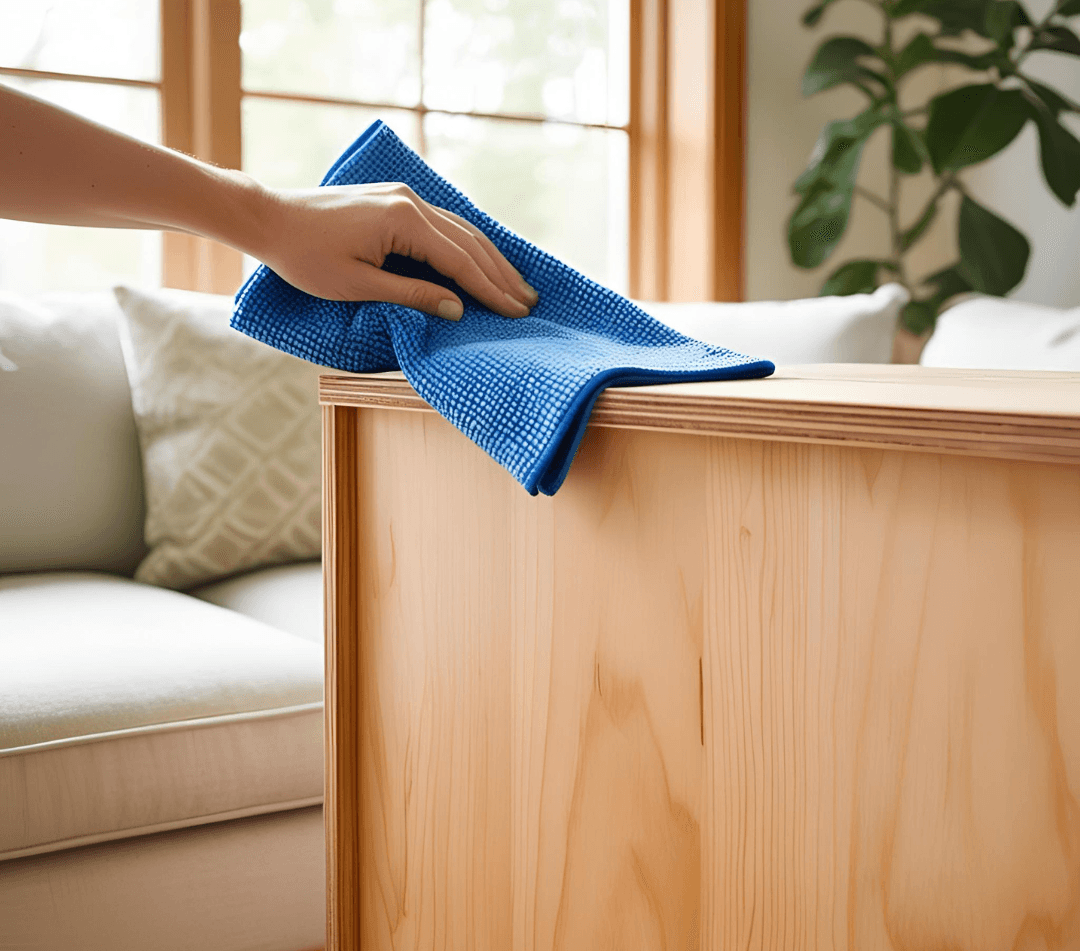
Untidy surfaces make it very difficult for the filler to stick well. For this reason, the first step is to clean the damaged area using a cleaning brush or cloth. Remove dirt and any loose wood particles.
Step 2: Removing Loose Parts
It is necessary to get rid of any loose particles that could prevent the repair from being perfect. Cut away any broken fibres found on the edges of the damaged area.
Step 3: Filling the Hole
The third step is to fill the hole in the plywood with appropriate compound. At this stage, it is advisable to use the appropriate filler for the hole size. Ensure that the filler is pressed well into the hole until it is filled completely.
Step 4: Wait for it to Dry
Let the filler dry completely as per the manufacturer's specifications so that the repair can be strong. At this stage, it is important not to rush and ensure that the repair is done well.
Step 5: Sanding the Repair
After the filler has dried, smooth the surface by sanding it. You can begin using medium-sized sandpaper and finish with finer sandpaper.
Step 6: Applying the Final Finish
When the surface is ready, apply the finish, such as primer, paint, polish, veneer, or laminate, that will blend well with the surrounding surface.
How to Fill a Hole in Plywood
Filling a hole in plywood depends on the size and depth of the damage. Ready-made wood filler is usually available to repair small nail holes and screw holes. Apply filler evenly, work it into the hole, scrape off excess and let it dry before sanding.
For deep holes, apply the filler in thin layers instead of a single thick one. This makes for a stronger repair and reduces shrinkage. If you have a large damaged area, you may want to install a backing or patch of plywood before applying the filler.
Learning how to properly fill a hole in plywood can restore the appearance and lifespan of the surface.
How to Fill Cracks in Plywood
Surface cracks should be repaired immediately as they can increase in size with normal use.
When learning how to fill cracks in plywood, first clean the crack thoroughly. Use a putty knife to push wood filler into the crack, being sure to get it down into the entire depth of the damaged area.
If the crack is wider, use some wood glue before the filler to give the repair extra strength. Once the filler has completely dried, sand the repaired area to a smooth finish before applying the final finish.
The right technique for how to fill cracks in plywood will preserve the look and structural integrity of the plywood.
Indoor and Outdoor Plywood Repairs
-
If you are doing indoor plywood repairs, you will need to use wood filler, sand and refinish if you want to restore the appearance and surface strength.
-
Outdoor plywood repairs require waterproof fillers, protective sealants and weather-resistant finishes for lasting durability.
-
Replace outdoor plywood if severe moisture damage or delamination compromises its structural integrity.
How Long Will Plywood Repairs Last?
-
Minor plywood repairs properly done with quality fillers and proper finishing will last for years.
-
To prolong the life of your repairs, keep the plywood away from moisture, heavy impacts and wear and tear.
-
The repaired surface of plywood can be made to last longer with proper inspection and maintenance.
How to Repair Plywood Water Damage
-
Before you make it, fix any holes, cracks or damaged areas in the plywood.
-
Remove any swollen or loose material and fill with a suitable wood or epoxy filler.
-
Fill the repaired area and finish with a waterproof finish for extra protection against moisture.
-
If water damage has caused extensive swelling, delamination or structural weakness, the panel should be replaced.
Common Mistakes to Avoid
Even simple repairs can be visible if the process is rushed.
Don’t Make These Common Mistakes:
- Filling dirty or dusty surfaces.
- Applying thick coats of filler at one time.
- Sanding before the filler is fully cured.
- Not addressing moisture damage before repair.
- The wrong finishing material for the repaired surface.
Usually, it looks better if you take your time preparing it rather than trying to do a quick fix.
Tips to Prevent Future Damage
Repair work,rk but it’s always better to prevent the damage before it happens.
- Avoid dragging heavy furniture across plywood.
- Tighten loose fittings and hinges regularly.
- Avoid prolonged exposure of furniture to moisture.
- Fix small cracks before they become big.
- Use the proper grades of plywood for kitchens, bathrooms and other demanding applications.
Regular maintenance will help keep the looks and performance of plywood furniture looking good for many years.
Why Choosing Quality Plywood Reduces Future Repairs
Many repair problems start with low-quality plywood that over time develops voids, cracks or weak bonds. Good quality plywood gives less repairs.
When selecting plywood, consider the following characteristics:
- Gapless core for added strength and fewer internal voids.
- Strong bonding to help reduce delamination.
- Hardwood construction for increased durability and impact resistance.
- Consistent panel quality for improved dimensional stability.
Royale Touche plywood is equipped with these performance-oriented features, which help the furniture maintain its strength and finish for a longer period of time while reducing the chances of common repair issues.
Conclusion
It will be useful to know how to fill a hole in plywood, how to fill a hole in plywood and how to fill cracks in plywood. This will help you to repair damaged furniture instead of replacing the whole panels. Whether it’s a small screw hole or a larger damaged section, using the right repair materials and following the proper finishing process will help you achieve a smooth, seamless surface. Regular maintenance and good plywood can also help to prevent future damage and keep furniture looking its best for years to come.
FAQs
How to Fix a Hole in Plywood?
Small holes may be filled with wood filler; large holes may need a plywood patch before sanding and refinishing.
How to Fill a Hole in Plywood?
Clean the damaged area. Apply wood filler in thin layers. Allow it to dry completely. Sand the surface smooth before finishing.
How to Fill Cracks in Plywood?
Clean out the crack well, fill with wood filler, allow it to cure thoroughly, and sand the repair before painting, polishing, veneering, or laminating.
Can You Refinish Repaired Plywood?
Yes, the repaired plywood can be painted, varnished, veneered or laminated to match the surrounding surface once sanded.
When Should You Repair or Replace Plywood?
Reasons to recommend replacement of the plywood include severe water damage, extensive delamination, structural failure, or large sections that cannot be repaired effectively.
What is the best filler for plywood?
Wood filler is ideal for small holes and cracks, while epoxy filler is better for larger or deeper repairs.
Can damaged plywood be repaired without replacing it?
Yes. Most minor holes, dents, and cracks can be repaired using filler and refinishing. Replace the plywood only if the damage is structural.
How do you repair water-damaged plywood?
Dry the plywood, remove damaged material, fill minor defects, sand the surface, and apply a protective finish. Replace it if the damage is extensive.
What is the best filler for plywood?
Wood filler is best for small holes and cracks. Epoxy filler is great for larger or deeper repairs.
How do you repair damaged plywood without replacing it?
Yes, most small damage can be repaired without replacement unless the plywood has structural failure.
How to repair water damaged plywood?
Dry the plywood, repair any damaged areas, sand the surface and seal it with a waterproof finish.

Related Blogs