
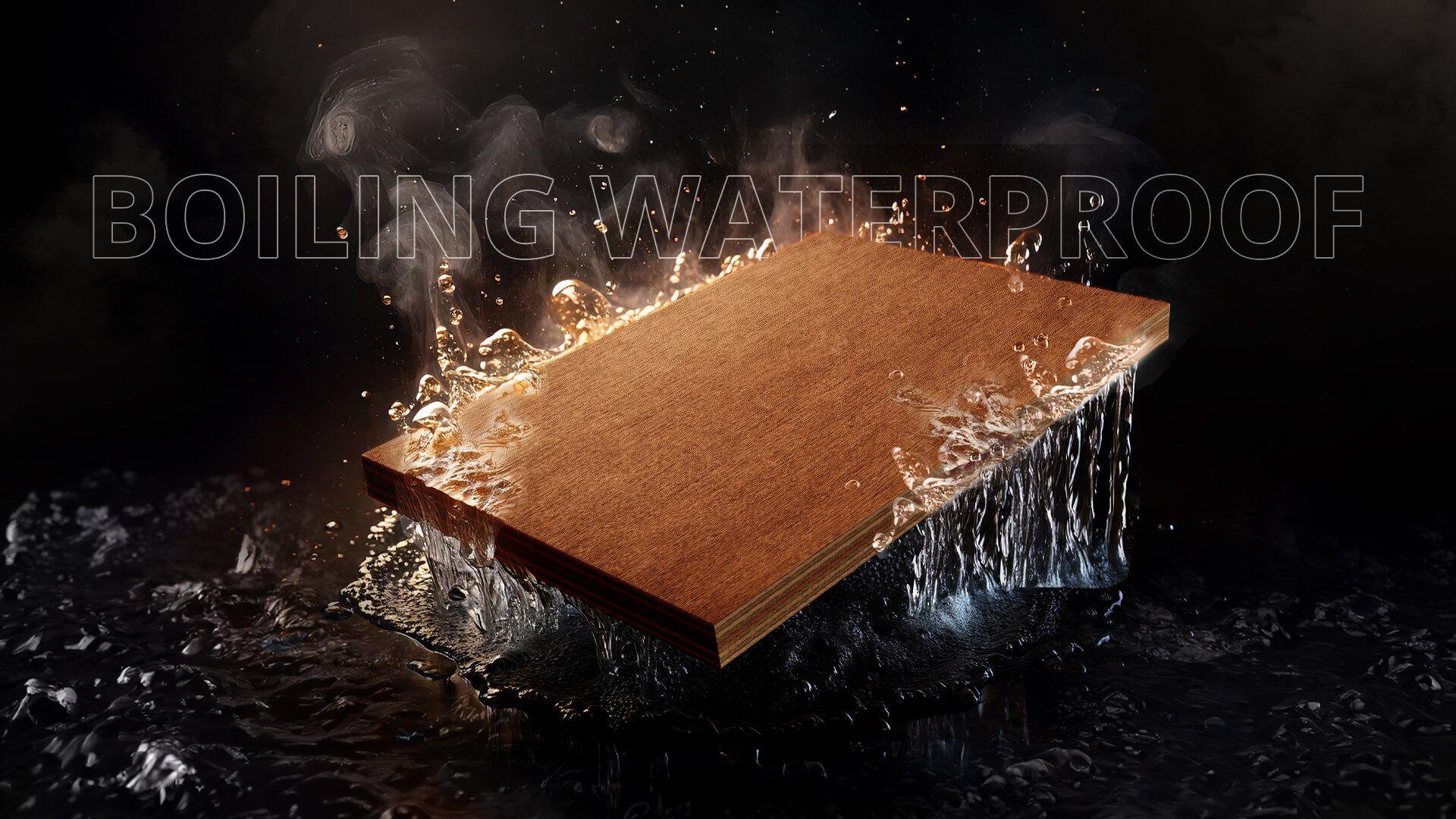
Defying
moisture
and
decay,
Boiling
Waterproof
Plywood
stands
firm.
Engineered
to
perform,
it
resists
warping,
swelling,
and
daily
wear.
No
bending,
no
breaking
-
just
endless
performance.

Key Features

Advantages of Choosing Royale Touche BWP Plywood
Superior Waterproofing:
The high-quality resin composition of Royale Touche BWP plywood delivers absolute boiling water resistance. The plywood stands strong against moisture damage regardless of its placement in wet kitchen cupboards or bathroom storage units. Multiple applications can be served by our Boiling Water Proof Plywood which is available as 4mm to 25mm thick panels.
High Strength & Durability:
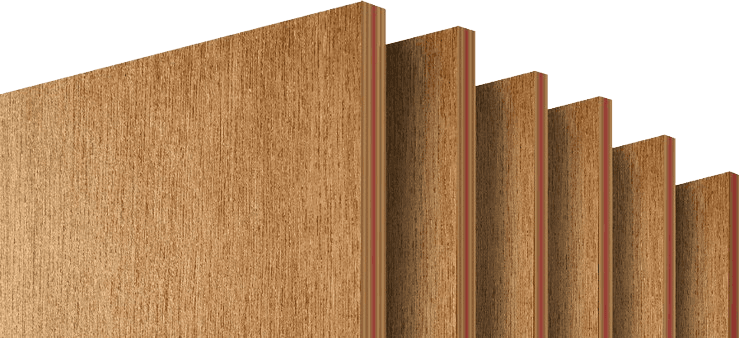
The exceptional durability of BWP plywood stems from its engineering with numerous hardwood layers of dense composition. The furniture will stay strong due to the structural integrity, which prevents bending or breaking across time. Royale Touche offers the Gurjan-faced BWP plywood variant which provides top-tier strength properties that are best suited for door construction, partition installation and heavy-duty furniture requirements.
Termite & Fungal Resistance:
Anti-termite and anti-fungal treatments given to BWP plywood make it suitable for damp climates. Outdoor applications as well as wardrobes and kitchen cabinets will experience no damage over extended periods when using this material. The manufacturing process includes anti-termite and borer-resistant chemical treatment which ensures extended protection for our plywood products.
Minimal Maintenance:
The maintenance requirements for BWP plywood sheets remain low since the material stays strong while preserving its finish throughout time. The flawless finishing potential of veneers, laminates and natural surfaces results from the smooth surface of the BWP plywood sheet. Royale Touche BWP plywood functions with mica and decorative laminate materials and acrylic sheets to provide finishing flexibility.
Aesthetic Appeal with Versatile Design Options:
The design of our BWP plywood sheets is dedicated to improving interior aesthetics. This product line accommodates various veneers, laminates and textures, which work well for contemporary storage units and sophisticated kitchen cabinetry together with high-end furniture designs. The selection includes wood grain Textures, matte, glossy, as well as textured laminate finishes, which adapt to different interior design preferences.
Applications of BWP Plywood
Kitchen Cabinets & Countertops:
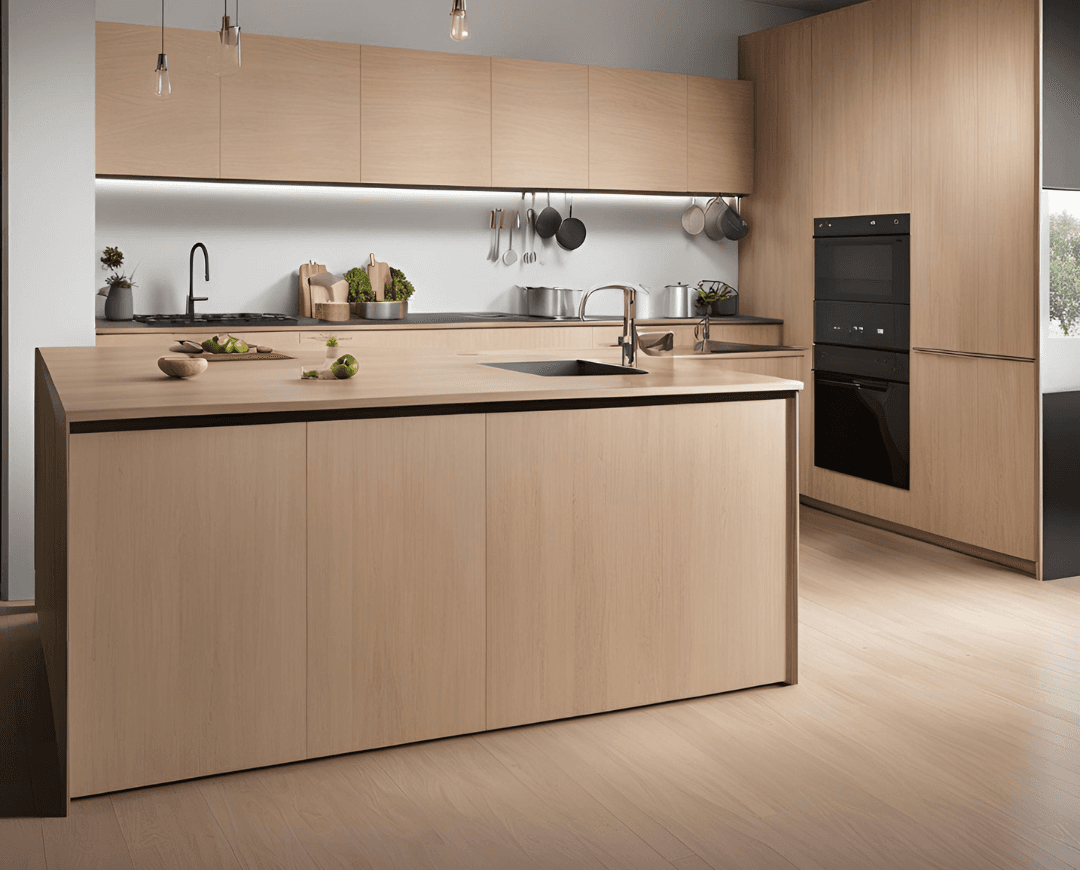
Heat and moisture resistance qualities of this material make it a perfect selection for kitchen cabinets, together with countertops in modular designs.
Bathroom Vanities & Partitions:
Bathroom Vanities and partitions constructed from this material show resistance to constant moisture resulting in prevention of swelling or warping.
Outdoor & Balcony Furniture:
The material withstands rain along with both sun exposure and harsh weather factors to construct durable outdoor and balcony furniture.
Wardrobes & Storage Units:
Long-lasting and resistant to daily wear and tear.
Doors & Windows:
It provides the structural stability to the doors and windows, which also creates an elegant aesthetic effect.
FREQUENTLY ASKED QUESTIONS
What is boiling waterproof plywood and how is it made?
A: Boiling waterproof plywood is designed for high moisture and water exposure. It uses a uniquely engineered layered design and high-quality resins. The manufacturing process ensures durability and resistance to boiling temperatures.
What are the main benefits of using boiling waterproof plywood in construction projects?
Superior water resistance maintains functionality in moist environments. Highly resistant to warping and delamination. Provides excellent protection against termite damage.
How does the engineered layered design of boiling waterproof plywood contribute to its durability?
Multiple layers of wood veneers maximize strength and stability. High-quality resins create a robust, durable structure. Cross-laminated layers distribute stress evenly and enhance environmental resistance.
In what applications is boiling waterproof plywood most effective?
Resistance to water and moisture ensures strength and structural integrity, making it suitable for load-bearing applications. Effective in bathroom and kitchen cabinetry due to water and steam exposure. Ideal for outdoor furniture and structures, resisting varying weather conditions. Suitable for marine environments, including boat construction and docks.
Is BWP plywood the same as marine plywood?
No. BWP plywood is made for boiling-water resistance, and marine plywood is made for demanding applications with prolonged exposure to water.
What is the difference between BWR and BWP plywood?
BWP has a higher water resistance than BWR. BWP is designed for exposure to boiling water, whereas BWR is for general moisture resistance.
Does BWP plywood need IS 710 or IS 1659 certification?
No. IS 710 is for marine plywood, while IS 1659 is for blockboard. The BWP plywood should be checked against the applicable standard and certification called out for that product.
How can I tell if plywood is genuine BWP grade before buying?
Check the BIS/ISI marking, BWP grade, applicable IS standard, manufacturer details and product specifications marked on the sheet.
How long can BWP plywood actually stay submerged in water?
BWP plywood is designed for boiling-water exposure, not immersion. There is no specified period for continuous underwater use.
Can BWP plywood be used for exterior applications like decking or permanent outdoor exposure?
Yes, for appropriate outdoor and deck use. But for deck and permanent outdoor exposure, use plywood that is specified for those conditions.
What is the average lifespan of BWP plywood in a kitchen or bathroom?
BWP plywood will last 15–20 years in kitchens and bathrooms, if properly installed and maintained. Service life is dependent on moisture exposure, installation, edge protection, ventilation and maintenance.
Related Blogs