
Flush Door Thickness: Which Size Is Right for Your Home?
February 19, 2026
Table of Contents
Flush Door and Its Thickness
A flush door is a completely flat-surfaced door that is built with either a solid or engineered core and can have various finishes, including veneered, laminated, and painted. Flush doors have a flush door thickness somewhere between 25mm and 40mm, depending on where the door will be installed and what level of durability is required.
For example, for light-duty use in an interior room, it may be appropriate to use thinner flush doors; however, for bedrooms and other common areas, the flush door thickness standard will typically fall within the range of 30 mm through to 35 mm. For main entrances or other areas where strength, stability and sound insulation are of greater concern, then thicker flush doors in the range of 35 mm through to 40 mm are recommended. By choosing the appropriate thickness of a flush door, better performance is achieved due to enhanced insulation properties and improved long-term structural integrity.
What Are Flush Doors?
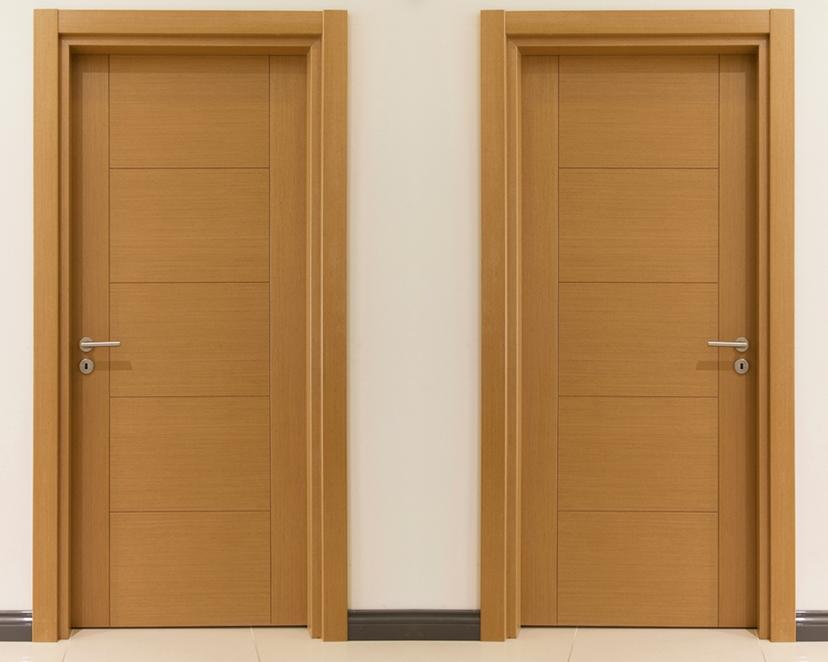
A flush door is a modern type of door design that provides a completely smooth surface on both sides of the door. Unlike traditional types of doors that use raised patterns or panels, flush doors have a clean, minimal look that will fit into both contemporary and traditional styles of décor. The internal core of a flush door will normally be made out of solid or semi-solid wood and finished off with plywood, veneer, laminate or other finish types.
The performance of flush doors is greatly dependent on the flush door thickness, as thicker doors tend to provide greater strength, higher resistance to bending, better sound insulation and longer service life than thinner flush doors. As homeowners explore the different flush door thicknesses available, flush door selection is very much based predominantly on the function of the room, frequency of use and amount of environmental exposure. The thickness of the flush door is also something else that is important; the thickness of the flush door helps keep it compatible with the frame, hinges and locks that are being put into it. If you have the flush door thickness standard (which is an important part), it will help prevent installation problems and give you the right amount of support, as it will not have any negative impact on the structural integrity of the building.
Types of Flush Doors for Homes
There are several different types of construction for flush doors depending on the application. Each type of construction has its own specific core (or interior) in how it was made and what determines the flush door thickness used for that application.
Solid Core Flush Door
Solid core flush doors are made with a dense internal core (either from solid timber blocks or engineered wood strips) and have excellent strength, durability and sound insulation. Solid core flush doors are manufactured in thicker profiles and commonly follow the flush door thickness standard of 32 mm or more.
Hollow Core Flush Door
The internal structure of hollow core flush doors contains a lightweight construction (most commonly honeycomb or tubular), which makes them easy to handle and inexpensive to manufacture. Because they are lightweight, they are typically available in thinner flush door thicknesses and would typically be found in low-traffic interior applications.
Decorative Flush Door
Decorative flush doors are made with a variety of finish options, including laminates, veneers, and paint, to improve their visual appearance. While there are many different designs of decorative flush doors, it is still the internal construction that determines the thickness of the flush door, which would work for decorative or aesthetic reasons. Many decorative flush doors follow the same flush door thickness standard as solid core flush doors.
Flush Door Sizes: Width, Height, and Thickness
Standard dimensions for flush doors have been manufactured based on the opening dimensions of a common residential door; therefore, the height and width will be determined by the design and its architectural characteristics; however, the critical factor regarding the flush door thickness will be governed by structural integrity.
Residential flush door dimensions typically include:
Height
1980 mm - 2100 mm
Width
600 mm - 1000 mm
Common thickness
30 mm, 32 mm, 35 mm, 40 mm
For flush doors in most residential applications, the flush door thickness standard commonly will be between 32 mm and 35 mm, which provides an even distribution of strength, weight, and ease of installation.
A homeowner's understanding of the flush door thickness available will help ensure that homeowners select the flush doors for their homes that meet the structural and aesthetic requirements of their specific application.
Room-Wise Flush Door Thickness Recommendations
Each room has different needs for privacy, strength, durability and sound control; therefore, the recommended flush door thickness varies from room to room.
Living Room
Flush doors in the 32 mm to 35 mm range are common for living room applications due to frequent usage and movement.
Bedroom
The thickness of a flush door in a bedroom generally needs to be thick enough to provide privacy and reduce the transfer of sound. A thickness of 30 mm to 35 mm is generally sufficient.
Bathroom
Bathroom doors have cores that resist moisture intrusion and moderate thickness levels; this is usually around 30 mm to 32 mm.
Study Rooms
The ideal flush door thickness for study rooms or home offices is in the 35 mm to 40 mm range; this is due to the ideal sound insulation and the solid feel that thicker flush doors provide.
Entry Doors
Front entry doors will have greater strength and stability than any other type of flush door; this is why it is recommended that the flush door thickness standard for a front entry flush door be between 35 mm and 40 mm. Choosing the right flush door thickness for each room will provide greater comfort, durability and longevity.
Comparison for Flush Door Sizes
| Room/Application | Standard Width (mm) | Standard Height (mm) | Recommended Thickness (mm) | Core Type | Water Resistance | Sound Insulation | Durability Level | Typical Use |
|---|---|---|---|---|---|---|---|---|
| Main Entrance | 900–1200 | 2100–2400 | 35–40 | Solid Core | High | Excellent | Very High | Entry Door |
| Bedroom | 750–900 | 1980–2100 | 30–35 | Solid / Cellular Core | Medium | Good | High | Private Room |
| Bathroom | 600–750 | 1980–2100 | 30–32 | Moisture-Resistant Core | High | Moderate | Medium | Wet Area |
| Kitchen | 750–900 | 1980–2100 | 32–35 | Solid Core | Medium-High | Good | High | Daily Use Area |
| Study / Office | 800–900 | 1980–2100 | 35–40 | Heavy Solid Core | Medium | Excellent | Very High | Workspace |
| Utility / Store | 600–750 | 1980–2100 | 30 | Hollow / Cellular Core | Low | Low | Medium | Low-Traffic Room |
This table illustrates the different thicknesses of flush doors available for different applications and how thickness influences performance.
How to Choose a Flush Door
Select the Correct Thickness
The thickness of your door should be determined by the function of the room it serves. The best thickness for main entrance doors is 40 mm. Bedrooms or living spaces are ideally built with a 32mm –35 mm thickness. Bathroom and utility room doors should use 30–32 mm thickness with moisture-resistant cores.
Choose the Core Construction
Solid core doors provide the best strength and sound insulation. Cellular core doors suit standard interiors, and hollow core doors suit low-traffic areas.
Match the Door to the Water Resistance Grade
-
MR grade for dry interiors.
-
BWR grade for kitchens and bathrooms.
-
BWP grade for entrances and humid areas.
Check Standard Opening Dimensions
-
Bedroom: 750–900 mm width, 1980–2100 mm height.
-
Bathroom: 600–750 mm width.
-
Entrance: 900–1200 mm width, up to 2400 mm height.
Ensure Frame Compatibility
-
Interior frames support a 32–35 mm flush door thickness standard.
-
Entrance frames support a 40 mm thickness.
Match Hardware with Thickness
-
Standard latch: 30–32 mm doors.
-
Mortise lock: 32–35 mm doors.
-
Digital lock: 35–40 mm doors.
Consider Environmental Conditions
Use BWP grade in humid areas, solid cores in high-traffic homes, and lighter constructions in low-use spaces.
Mistakes You Should Avoid When Purchasing Flush Doors
-
Buying doors based solely on price.
-
Using interior doors as main entrance doors.
-
Using the wrong door grade in wet areas.
-
Not checking for core type.
-
Not checking compatibility between frame and door thickness.
-
Not sealing edges.
How to Inspect Quality in Flush Doors
-
Measure actual flush door thickness.
-
Match standard size.
-
Inspect straightness.
-
Inspect the surface.
-
Edge inspection.
-
Knock on the door.
-
Check weight.
Choosing the Right Plywood Core for Flush Doors
The plywood for a flush door plays a crucial role in determining the door’s strength, stability, and resistance to moisture or wear. For interior rooms, moisture-resistant plywood performs reliably. Bathrooms and kitchens require marine plywood. Main entrances benefit from boiling waterproof or hardwood plywood. Selecting the correct plywood ensures long-term structural integrity.
Final Thoughts
Choosing the perfect flush door thickness is important to ensure that the door lasts long and operates smoothly. Interior spaces should use a 32–35 mm thickness, while entryways need around 40 mm. Core type, moisture rating, and plywood quality all affect long-term performance.
Quick Facts
-
Interior flush doors: 32–35 mm flush door thickness standard
-
Main entry doors: 40 mm flush door thickness
-
Bathroom and kitchen doors: 30–32 mm thickness
-
Solid-core doors last longer than hollow-core doors
-
Proper plywood selection improves durability and stability
Frequently Asked Questions
What is the standard flush door thickness?
The flush door thickness standard ranges from 30 mm to 40 mm, with 32–35 mm most common.
What is the thickness of a flush door for homes?
Most homes use a 32–35 mm thickness of a flush door for interiors and a 40 mm thickness for entrances.
What are the flush door thickness available options?
Common flush door thickness available sizes include 30 mm, 32 mm, 35 mm, and 40 mm.
What type of plywood should be used for a flush door?
Moisture-resistant plywood suits interiors, marine plywood suits wet areas, and boiling waterproof plywood suits entrances.
How can flush door quality be checked?
Check flatness, surface finish, edge sealing, weight, and core density. A solid door with the correct flush door thickness produces a dense sound when tapped.