Common Plywood Defects and How to Spot Them
March 18, 2026
Table of Contents
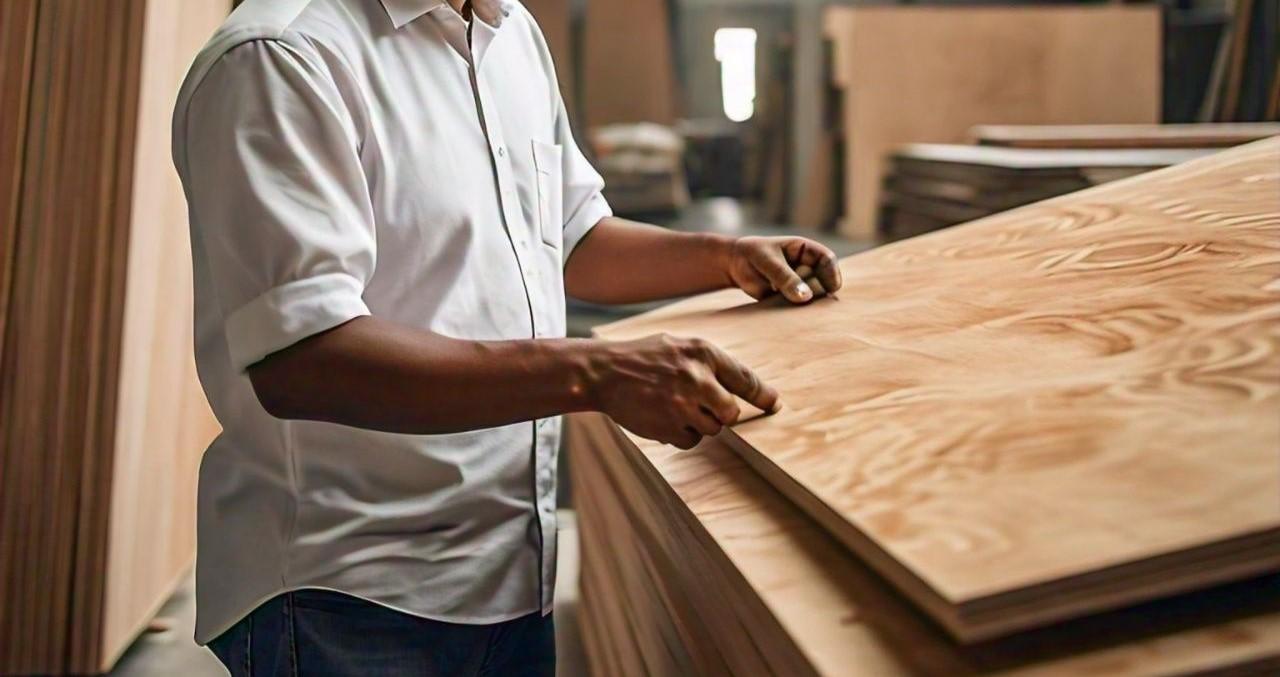
Plywood is one of the most widely used engineered wood materials in modern interiors, but plywood defects can still occur despite its engineered strength. These plywood sheets are used for furniture, cabinets, partitions, wall panels, and flooring because of their strength, dimensional stability, and versatility. However, even a strong engineered product can develop defects during manufacturing, transportation, or storage.
Identifying defects on plywood sheets before installation is critical. Undetected problems may affect structural strength, cause finishing issues, or lead to premature failure of furniture and interior elements. Understanding how these issues form and how to identify them ensures better material selection and long-term performance.
Quick Answer
Most plywood defects occur because of poor manufacturing, improper storage, or exposure to moisture and heat. The most frequent defects on plywood sheets include warping, delamination, surface cracks, core gaps, and uneven thickness. Careful inspection of the surface, edges, and layers helps identify these issues before installation.
Why Plywood Defects Occur
Most plywood defects originate from the way the veneers are processed and bonded. Since plywood is made by stacking and pressing thin layers of wood veneer, any issue in drying, bonding, or pressing can result in structural or surface irregularities.
Poor-quality raw wood, improper moisture control, low-grade adhesives, or incorrect pressing pressure can all result in visible defects on a plywood sheet. In many cases, these defects are not visible immediately but appear later when the sheet is exposed to humidity, load, or daily use.
Manufacturing and Storage Causes of Plywood Defects
Many plywood defects begin at the factory level. Improper veneer drying may trap moisture inside the layers, while low-quality adhesives can lead to weak bonding. Incorrect pressing temperature or uneven pressure during manufacturing may cause internal voids or thickness variations. Poor calibration during sanding can also result in inconsistent thickness across the board.
Storage conditions play an equally important role. Defects on plywood sheets often develop when sheets are stored on uneven surfaces, exposed to rain, or kept in areas with high humidity. Direct sunlight can dry the outer layers faster than the core, causing bending or cracking. Improper stacking without support may also lead to permanent warping.
Structural vs Surface Plywood Defects
Not all plywood defects have the same impact. Some affect only the appearance, while others compromise structural integrity.
Structural defects include issues like core voids, delamination, and severe warping. These defects on the plywood sheet weaken the board and reduce its load-bearing capacity. Surface defects, such as knots, patches, or minor cracks, mainly affect appearance and finishing quality. Understanding this difference helps in deciding whether a sheet can still be used or should be rejected.
Major Types of Plywood Defects and How to Spot Them
1. Warping and Bending
One of the most easily identified plywood defects is warping because it is usually bent, twisted, or bowed, making it more difficult to install.
Occasionally, sheets of plywood will warp from veneers having varying moisture content when stored improperly. Warped sheets are typically the most prevalent type of plywood defects you will see in your shop or at a job site.
How to detect warped sheets
You can detect whether or not the sheet is warped by placing a flat sheet of plywood on a level surface and looking for gaps under the corners and between the edges. If there are gaps or if the sheet is not lying flat, then you know it is warped.
2. Delamination of Layers
Delaminated layers are some of the most severe types of plywood defects because they significantly undermine the structural integrity of the plywood. Delamination is caused by a separation of the veneer layers from each other as a result of improper adhesion. Delaminated layers can be caused by a variety of issues, including poor-quality adhesives, inadequate pressing pressures, or excessive moisture. As such, delamination represents a serious defect in the plywood because not only does it create a concern regarding the integrity of the wood, but italsoy compromises the internal strength of the wood.
Also Read: How to Prevent Mold on Plywood
How to detect delaminated layers
To determine if the plywood layers are delaminated, you will need to examine the edges of the sheet for visible spaces or gaps between each of the layers. Light-tap the sheet with your hand; if there are any areas that make a hollow sound, then you have a delaminated layer(s).
3. Core Gaps and Voids
Core Gaps are defined as spaces in between the inner layers of wood that are otherwise empty. These gaps are not generally visible on the surface; however, they considerably reduce the strength of the wood.
Core gaps can be the result of poor arrangement of the veneer wood or using inferior-quality materials in the core. Core gaps reduce the wood's overall strength and capacity to accept screws, thereby reducing the wood's overall durability.
How to detect core gaps
You can check for core gaps by measuring the edges of the sheet for voids or hollows.
4. Surface Cracks and Splits
Surface cracks and splits are also considered to be standard plywood defects that affect both the integrity and the overall quality of the material. Surface cracks are generally the result of improper drying, excessive handling, and/or using a low-quality face veneer. In addition, surface cracks and splits can also create significant problems during the finishing process of the plywood for your application.
How to detect surface cracks and splits
To check for the occurrence of surface cracks and splits, utilise good lighting and evaluate the surface of the sheet with your hand in order to feel for any splits or rough areas.
5. Bubbling and Blisters
Blisters are noticeable on the surface of plywood. The reason for their existence is that there was either moisture or air trapped in the sheet during pressing. Bubbles are an indication that there has been difficulty bonding; therefore, it is an indicator of defective plywood sheets.
How to detect bubbling and blisters: Examine your plywood for discrepancies, spots where the surface of the sheet is uneven or swollen. Lightly press down to determine if the area is soft.
6. Uneven Thickness
Inconsistent thickness will not only cause problems with your final project, but al,so if you are manufacturing modular furniture, this will create additional issues for end-user customer satisfaction.
The reason for having inconsistent thickness in plywood is primarily due to poor calibration or uneven pressing during plywood manufacturing process.
How to detect uneven thickness
When checking for thickness, use measuring tape or callipers and measure the thickness of the plywood at multiple points along its length. If any thicknesses vary, you have a reason to think there is an inconsistent thickness problem.
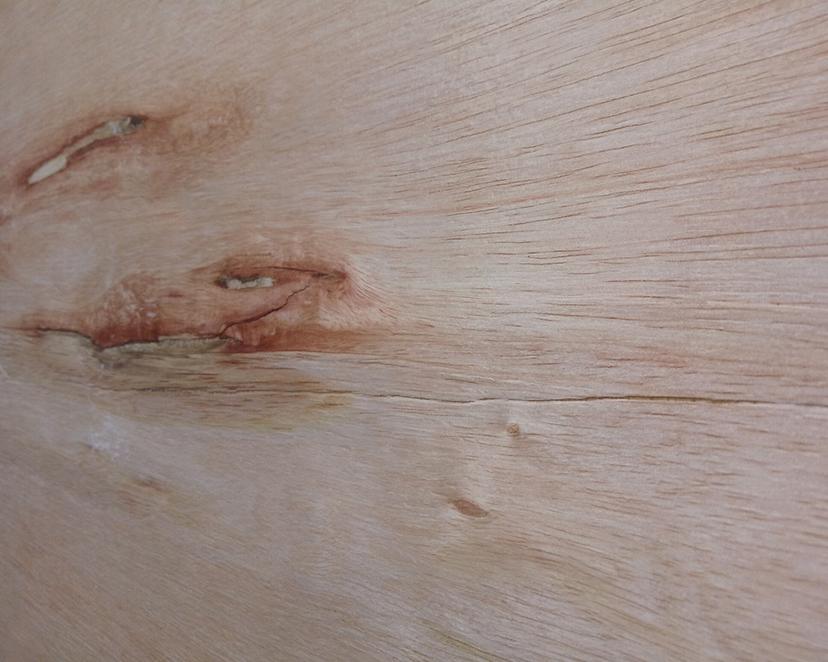
7. Signs of Knots & Patch
Knots and patches represent natural imperfections that are repaired during the manufacture of plywood. Any excessive patching should be considered defective plywood. Knots represent a weakness in both their look and their strength and can cause problems with both.
Signs of Knots & Patch: Locate large patches, peaks and valleys in the veneer.
Plywood Defects by Grade
Each Grade of Plywood has different tolerances for Defective/Good Quality Plywood.
-
Interior Plywood Grades are susceptible to swelling & delaminating when in contact with moisture.
-
The Exterior Plywood Grades have better bonding and moisture resistance to swelling & delamination.
-
The Marine Plywood is virtually free of voids in the core and has superior bonding; therefore, it is extremely resistant to Defects on plywood sheet caused by Water Exposure.
By choosing the right plywood grade, you can also reduce future problems with the performance of the product you have manufactured from your plywood.
Tools Needed to Inspect Plywood
Basic Inspection Tools allow you to accurately identify plywood defects.
-
A measuring tape or callipers can be used to determine consistency between the various thicknesses.
-
Straight edge can identify any warping that occurs from improper manufacture or use.
-
Using a flashlight helps to see more easily the surface irregularities and cracks in the plywood.
A moisture meter would be helpful to find moisture that is inside plywood, which may potentially cause damage to the plywood when it is installed.
Plywood Inspection Checklist Before Buying
You should do a quick inspection of the most common plywood defects before purchasing plywood, and the following inspection is a simple way to accomplish that.
-
Check that the surface is smooth and has no major cracks or bubbles.
-
Check that the edges are even and have no gaps, and that there are at least three layers of plywood on the face of the panel.
-
Measure the thickness of the plywood at several locations to confirm uniform thickness across the panel.
-
Place the plywood on a flat surface to determine if it is warped.
By following this inspection procedure, you can identify any major defects on the plywood sheet.
Where Plywood Defects Cause the Most Problems
-
Kitchen cabinets, as they are located in the most humid environment.
-
Bathroom furniture which is also in a high-humidity environment.
-
Wardrobe cabinets which require a smooth, glossy finish.
-
Modular kitchens require precision cuts for all their components.
-
Structural flooring requires high strength.
-
Office furniture with heavy daily use.
-
Panelling of walls where visual appearance is of utmost importance.
How to Prevent Plywood Defects
-
Buy your sheets of plywood from reputable manufacturers.
-
Store your plywood sheets flat, dry and with good ventilation.
-
Do not allow your sheets of plywood to come into direct contact with water.
-
Select the correct type of plywood for the intended use.
-
Inspect your sheets of plywood before installation.
-
Seal the edges of the plywood sheets to protect them from absorbing moisture.
-
Do not stack your plywood sheets unevenly.
When to Reject a Plywood Sheet
- Severe bending or twisting of the plywood sheet.
- Visible delamination between the layers of the plywood.
- Significant voids or gaps in the core material of the plywood.
- Large cracks or splits in the surface of the plywood.
- The thickness of the plywood varies greatly.
- Large knots or poorly repaired areas in the plywood.
- The surface of the plywood has multiple bubbles or blisters.
Maintenance Tips to Avoid Future Defects
The following tips can help reduce the amount of future plywood defects by properly caring for plywood:
-
Keep moisture off the surface of plywood
-
Seal all exposed edges correctly.
-
Avoid prolonged exposure to water on plywood
-
Apply laminates or protective finishes to plywood
-
Vent air through humid regions
-
Examine furniture for swelling/crack every so often.
-
Repair small surface damages immediately.y
Also Read: 5 Tips on how to maintain plywood sheets
Conclusion
In conclusion, before you begin your projects, it is important to know whatconstitutese plywood defects. If you can identify the common defects on plywood sheets that may occur before installation (such as warping, delamination, and surface cracks), you will avoid installation problems andincurg repair costs down the road.
The ability to conduct accurate inspections, the proper storage methods, and selecting the appropriate grade of plywood will lead to the proper performance and longevity of your project, whether it be furniture or interiors.
Frequently asked questions
1. What are the commonly occurring defects found on plywood?
The most commonly occurring plywood defects will be warping and delamination, as well as surface cracks and core voids.
2. How can I determine if the plywood I intend to purchase contains defects?
You can inspect the surfaces, edges and thickness of the plywood and look for any obvious visible defects on the plywood sheet before purchasing.
3. Are there defects that cannot be detected by visual inspection?
Numerous plywood defects may be invisible to the casual observer, such as core voids and knots; however, they all may still be found protruding on the exterior of the plywood sheet.
4. Are plywood defects repairable?
Generally, you can repair small defects on plywood sheets, but with larger structural plywood defects, you must replace the sheets.
5. Can moisture naturally cause defects in plywood?
Moisture is one of the leading causes of defective plywood because excessive water is too much for the structure to handle, which can lead to damage and delamination.

Related Blogs