OSB vs Plywood: The Honest Difference Every Homeowner Must Know Before Buying

June 25, 2026
Table of Contents
If you compare plywood and OSB, in most cases, plywood is preferred for furniture, interior applications, kitchens, wardrobes and in areas that are prone to moisture. This is due to its enhanced durability, moisture resistance and workability. Due to its low cost and uniform strength, OSB is a commonly used structural panel for applications such as wall sheathing and roof decking. Knowing the difference between OSB and plywood can help homeowners make a more informed decision about what material best fits their performance, budget and application needs.
Understanding Plywood and OSB
Before you decide on OSB vs plywood, it is important to know the making process of these materials.
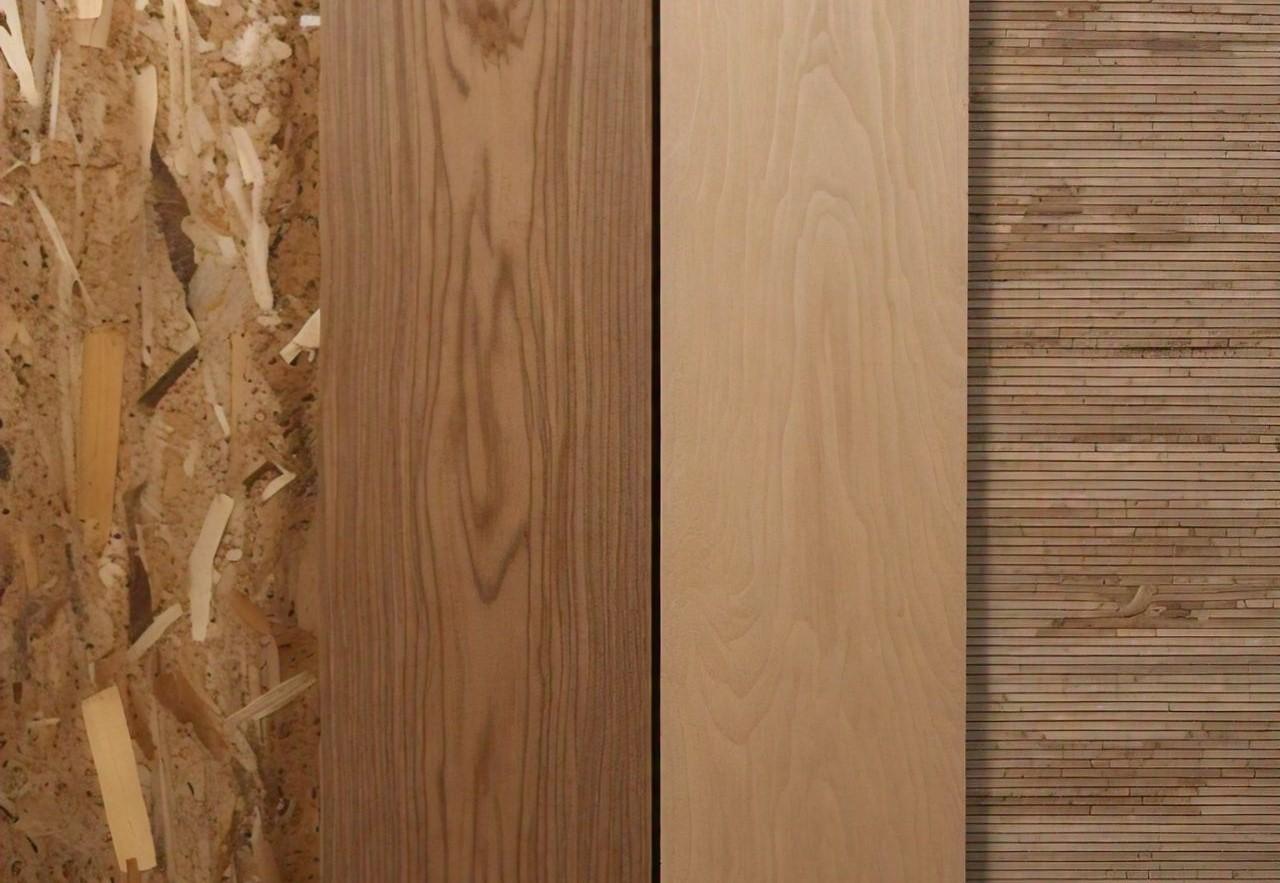
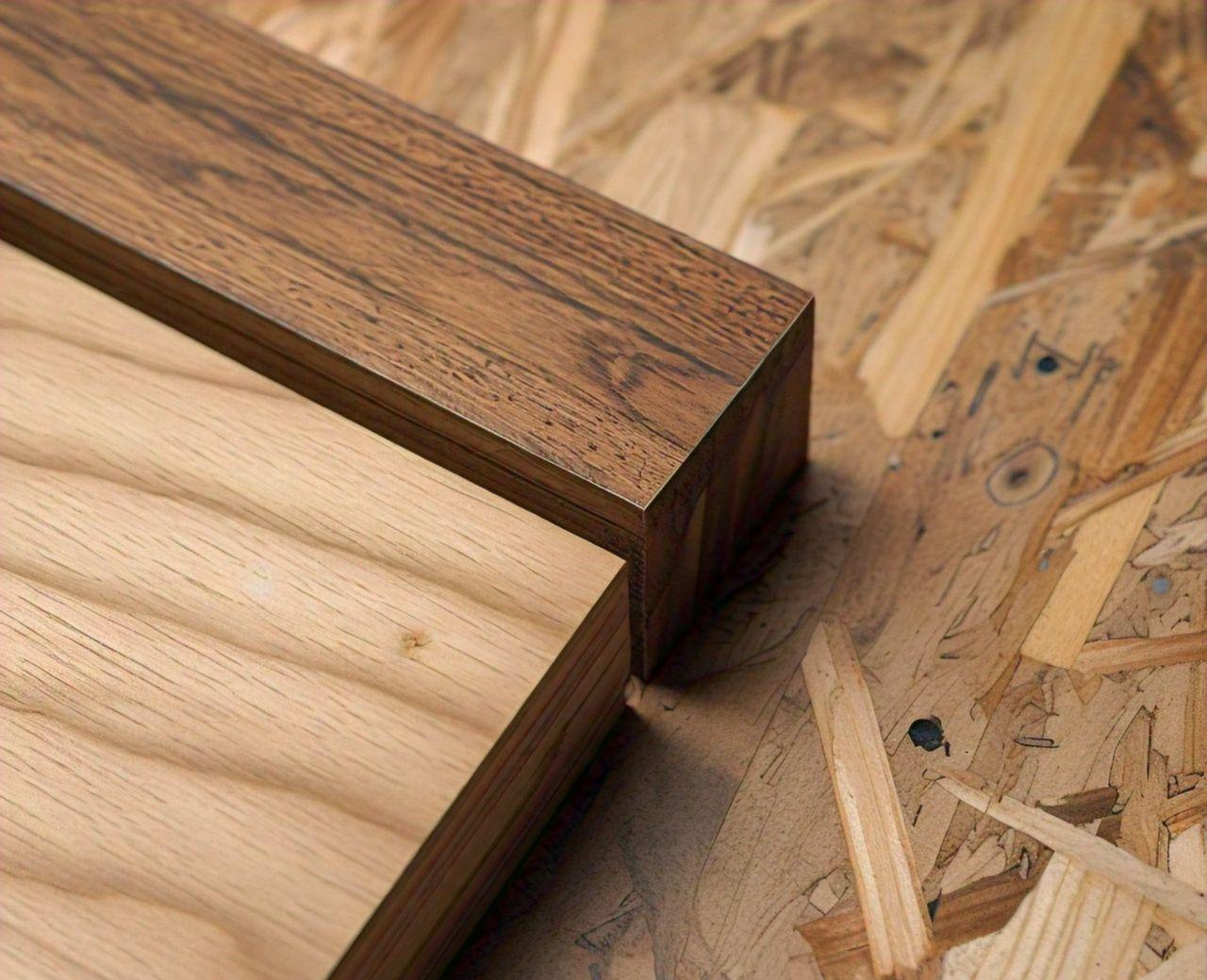
Oriented Strand Board (OSB) is an engineered wood product made from strands of wood and glue bonded together under heat and pressure. The strands are placed in particular directions for strength and structural stability.
Plywood is thin layers of wood veneer glued together. Each layer is laid at right angles to the previous one, creating a strong cross-laminated structure which increases durability and dimensional stability.
Both materials are common in construction, but they do not behave in the same way when subjected to different conditions.
OSB vs Plywood: How Are They Different?
A lot of homeowners ask the question: What’s the difference between OSB and plywood? When designing a new build or a renovation.
The only difference is in how they are constructed.
- OSB is made from compressed wood chippers.
- plywood with actual wood veneers.
- OSB has consistent density through the panel.
- Swelling proof. Beyond plywood. Water resistant.
- OSB panels are usually less costly.
- Plywood is the most versatile material for use in architecture and furniture.
Knowing what’s the difference between OSB and plywood helps homeowners make the right choice for their budget and performance needs.
OSB vs Plywood: Side-by-Side Comparison
| Parameter | OSB | Plywood |
|---|---|---|
| Material Structure | Compressed wood strands | Cross-laminated wood veneers |
| Cost | Lower | Higher |
| Moisture Resistance | Moderate | Better |
| Weight | Heavier | Lighter |
| Edge Swelling | More prone | Less prone |
| Durability | Good | Excellent |
| Furniture Applications | Limited | Excellent |
| Structural Use | Excellent | Excellent |
| Workability | Moderate | Easy |
| Long-Term Value | Good | Better |
What Does This Mean
In the OSB vs plywood comparison, OSB is the cheaper material, but plywood is superior in all aspects, especially as regards to moisture and longevity.
Price Comparison: Which Material Is Cheapest?
When it comes to OSB vs plywood, budget is often the first thing that comes to mind. Prices will vary on average with thickness, location and manufacturer.
| Material | Approximate Price Range |
|---|---|
| OSB | ₹45 – ₹100 per sq. ft |
| Plywood | ₹55 – ₹150+ per sq. ft |
Typically, OSB costs 15-30% less than plywood.
When you're considering what the difference is between OSB and plywood, homeowners need to think about maintenance costs, replacement costs and lifespan, not just upfront pricing.
Strength and Structural Performance
Both products are approved for structural use.
OSB provides:
- Large shear strength
- Homogeneous performance of the structure
- High load distribution capacity
Advantages of Plywood:
- Great rigidity
- Improved impact resistance
- Good holding capacity of the screw
- Improved dimensional stability
For many structural applications, the OSB vs plywood discussion is more about exposure to the environment than it is about strength.
Weather and Moisture Resistance
Moisture performance is one of the biggest differences.
OSB is vulnerable to water intrusion over time, especially on exposed edges. If it's left wet for a prolonged period of time, the edge can swell up.
The reason plywood generally does a better job is because of the layering of the veneer, so it can dry out faster and rebound better when it gets wet.
Moisture resistance is often the most practical answer to the question " What's the difference between OSB and plywood homeowners often ask.
Usually, plywood is the preferred choice for humid Indian climates.
Longevity & Durability
The life of both materials depends greatly on the quality of installation and environmental conditions.
| Material | Approximate Price Range |
|---|---|
| OSB | ₹45 – ₹100 per sq. ft |
| Plywood | ₹55 – ₹150+ per sq. ft |
If you want something that will last over time, plywood generally wins the OSB vs plywood debate.
Plywood is more resistant to repeated cycles of moisture and maintains its structural integrity longer.
Installing
Builders like OSB as it comes in large, uniform sheets. However, there are advantages to installing with plywood:
- Easier to cut
- Improved nail holding capacity
- Better screw holding
- Reduced rim damage
- Extra room for customization
This helps to explain another part of the difference between OSB and plywood that will affect contractors and carpenters daily.
Best Uses for OSB
OSB is used for:
- Sheathing for walls
- Roof Decks
- Decking flooring
- Structural Rebar
- Temporary fencing, building
For budget-minded structural projects, OSB vs plywood comparisons often favour OSB.
Best Uses For Plywood
Plywood is used for:
- Modular Kitchen
- Wardrobes
- TV stands
- Furniture
- Interior wall panelling
- Doors
- Storage system
- Interiors - Trade
In residential interiors, the choice between OSB vs plywood is often in favour of plywood because of its aesthetics, strength and moisture resistance.
The Hidden Costs Homeowners Often Overlook
Many buyers focus only on purchase prices.
But knowing the difference between OSB and plywood also involves looking at hidden costs.
The True Cost of OSB
- Prevents edge swelling
- Additional waterproofing requirements
- Less flexible for furniture uses
- Early replacement in wet conditions
Hidden Costs of Plywood
- Higher initial purchase price
- Higher prices for the top grades
- Wet area grades need improvement
A better way to do it is to compare OSB vs plywood from a lifetime ownership cost perspective.
The Benefits of Plywood for Luxury Projects
In high-end residential and commercial projects, the performance is usually more important than saving money.
Builders often choose plywood for the following reasons:
- Enhanced management of moisture
- More resilient
- Better finishing quality
- Better fastener retention
- More versatile
And for kitchens, wardrobes and furniture, OSB vs plywood, plywood remains the preferred choice.
Why Royale Touche Plywood Is a Smart Investment
Royale Touche plywood brings many benefits to difficult projects:
Improved Structural Stability
It is made of dense hardwoods for better strength under load.
Improved Moisture Resistance
Designed to avoid swelling, warping and delamination.
Improved Fastener Hold
Strong screw retention for long-lasting furniture durability.
Termite & Borer Protection
Enhanced treatment process for extending service life.
Consistency of Panel Quality
Uniformity of construction facilitates fabrication and installation.
These features make plywood a serious contender in the overall OSB vs plywood debate.
Final Verdict
This is the final verdict based on the requirements of the application.
When to Use OSB
- Structural sheathing is the primary function.
- Budget comes first.
- Limited moisture exposure.
- Large-scale construction efficiency is easy.
When Using Plywood
- Durability over time is important.
- Furniture and interior design.
- Must be resistant to moisture.
- Raise finishing quality.
Conclusion
Ultimately, the OSB vs plywood discussion is a no-win scenario. OSB is cheap and structurally sound, but plywood is more durable, more versatile and more resistant to moisture. Most homeowners who are looking to invest in kitchens, wardrobes, furniture and interiors for the long term will find that plywood is generally better value overall.
Frequently Asked Questions
Which is stronger, OSB or plywood?
Both have strength in construction, but OSB is often stronger in shear. Plywood is stiffer and better at resisting impacts.
What's the difference between OSB and plywood in terms of moisture resistance?
In wet conditions, plywood is usually the preferred choice, because it dries faster and swells less at the edges.
Is OSB cheaper than plywood?
Yes. OSB is generally 15-30% cheaper than plywood.
What is better for furniture material?
Plywood is often used for furniture because it is strong, attractive and holds screws well.
OSB vs Plywood: Which is more durable?
Premium plywood is especially durable in environments where humidity levels fluctuate.
Is OSB suitable for kitchens?
It can be used in some applications, but generally plywood is preferred as it is moisture-resistant.
What is the best material for Indian homes?
In most cases, for residential interiors and furniture, plywood is generally a better long-term investment.

Related Blogs